
Home Maintenance Tasks You’re Probably Forgetting: Electrical Edition
Dust collects inside a smoke detector, a surge protector quietly passes its useful life, and the outside of an electrical panel starts to show rust from years of humidity. None of these problems announce themselves. They sit in the background of a home until something stops working or, worse, becomes a safety risk. Most homeowners keep up with the obvious chores like changing air filters and cleaning gutters, but the electrical system rarely makes the list until a breaker trips or an outlet goes dead.
Serving North Port, Port Charlotte, Venice, Englewood, Wellen Park, and South Venice, FL, Sunshine Electrical Services wants to change that. The electrical tasks below are easy to overlook, but staying ahead of them keeps your home safer, lowers the chance of larger repairs, and extends the life of the equipment you already own. If power runs through it we can do it, so consider this a practical checklist of the maintenance that too often gets skipped.
Testing and Maintaining Smoke and Carbon Monoxide Detectors
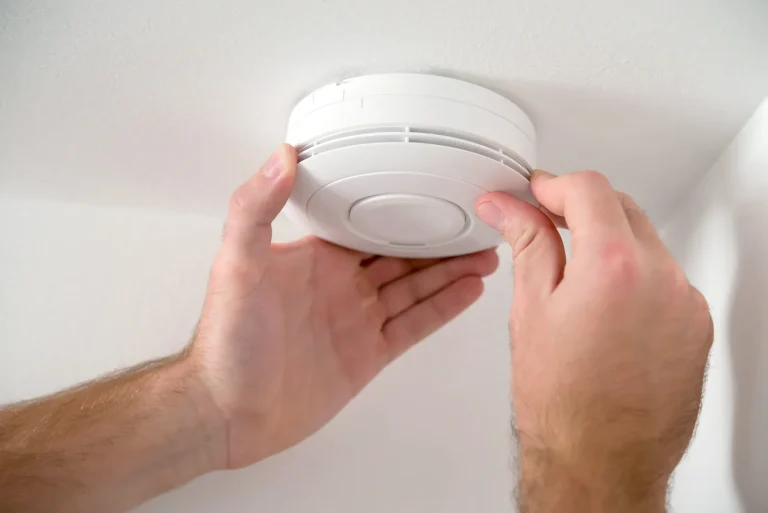
Smoke and carbon monoxide detectors are the quietest devices in your home until they are needed. Many are hardwired into the electrical system with a battery backup, which means they draw power and can fail in ways that go unnoticed. A unit past its rated lifespan may still chirp and light up but no longer detect smoke at the sensitivity it was designed for. Most detectors carry a replacement date printed on the back, usually seven to ten years from manufacture.
We recommend testing every detector monthly using the test button, replacing backup batteries at least once a year, and vacuuming the vents to clear dust and insects that block the sensor. When hardwired units are involved, the wiring behind them should be checked for secure connections and proper interconnection, so that one alarm triggers the rest. If your detectors are aging or you are unsure how many your home should have, Sunshine Electrical Services can inspect the full system and bring it up to current standards.
Checking Electrical Panels, Breakers, and Connections
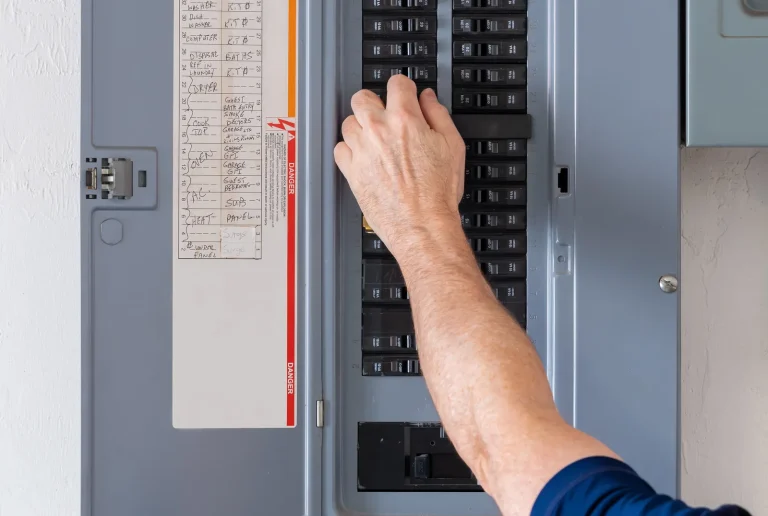
Your electrical panel is the heart of the home’s power distribution, and it does its job silently for years. That silence can hide trouble. Loose connections generate heat, corrosion builds up in coastal humidity, and breakers wear out after repeated tripping. A panel that feels warm to the touch, smells faintly of burning plastic, or buzzes is telling you something is wrong. These signs deserve attention before they grow into a hazard.
During a panel inspection, we look for several specific issues:
- Corrosion or rust: coastal air near Englewood and Venice accelerates oxidation on terminals and the panel enclosure.
- Loose or overheated connections: discoloration on wires or lugs points to resistance and heat buildup.
- Breakers that trip often: frequent tripping can mean an overloaded circuit or a failing breaker.
- Outdated or recalled panels: certain older brands are known fire risks and should be replaced.
A professional inspection every few years is a small step that prevents expensive and dangerous failures. Our team tightens connections, tests breakers under load, and verifies that your panel capacity matches how your household actually uses power today, which is often far more than when the home was built.
Surge Protection You Probably Haven’t Thought About
Afternoon thunderstorms are a fact of life along the Gulf Coast, and each one carries the potential for voltage spikes that travel through your wiring. Plug-in power strips protect individual devices, but they do nothing for hardwired equipment like air conditioners, well pumps, refrigerators, and the increasingly complex electronics built into modern appliances. A whole-home surge protector installed at the panel adds a layer of defense for the entire system.
Surge protectors have a limited capacity and degrade over time, especially after absorbing repeated spikes. A device installed years ago may no longer offer the protection it once did. We can evaluate whether your home has surge protection at all, confirm whether an existing unit is still functioning, and recommend a replacement rated for your service size.
Outlets, GFCIs, and the Small Details That Add Up
Outlets take daily abuse and show wear long before homeowners notice. A plug that falls out on its own signals worn contacts, which create resistance and heat. GFCI outlets in kitchens, bathrooms, garages, and outdoor areas protect against shock, but they also wear out and should be tested monthly using the test and reset buttons. An outlet that feels warm, shows scorch marks, or crackles needs immediate professional attention.
Two-prong outlets in older homes around South Venice and Port Charlotte are another overlooked item. They lack a ground connection, which limits the protection available to sensitive electronics and appliances. Upgrading to grounded, properly wired outlets is a meaningful safety improvement.
Scheduling Your Electrical Maintenance
As a family-owned and operated company, Sunshine Electrical Services provides quality work at affordable prices for homes and businesses alike. Alongside electrical repair and wiring, we handle system integrations including cameras, alarm systems, and audio. Reach out to schedule an inspection and cross these forgotten tasks off your list.